
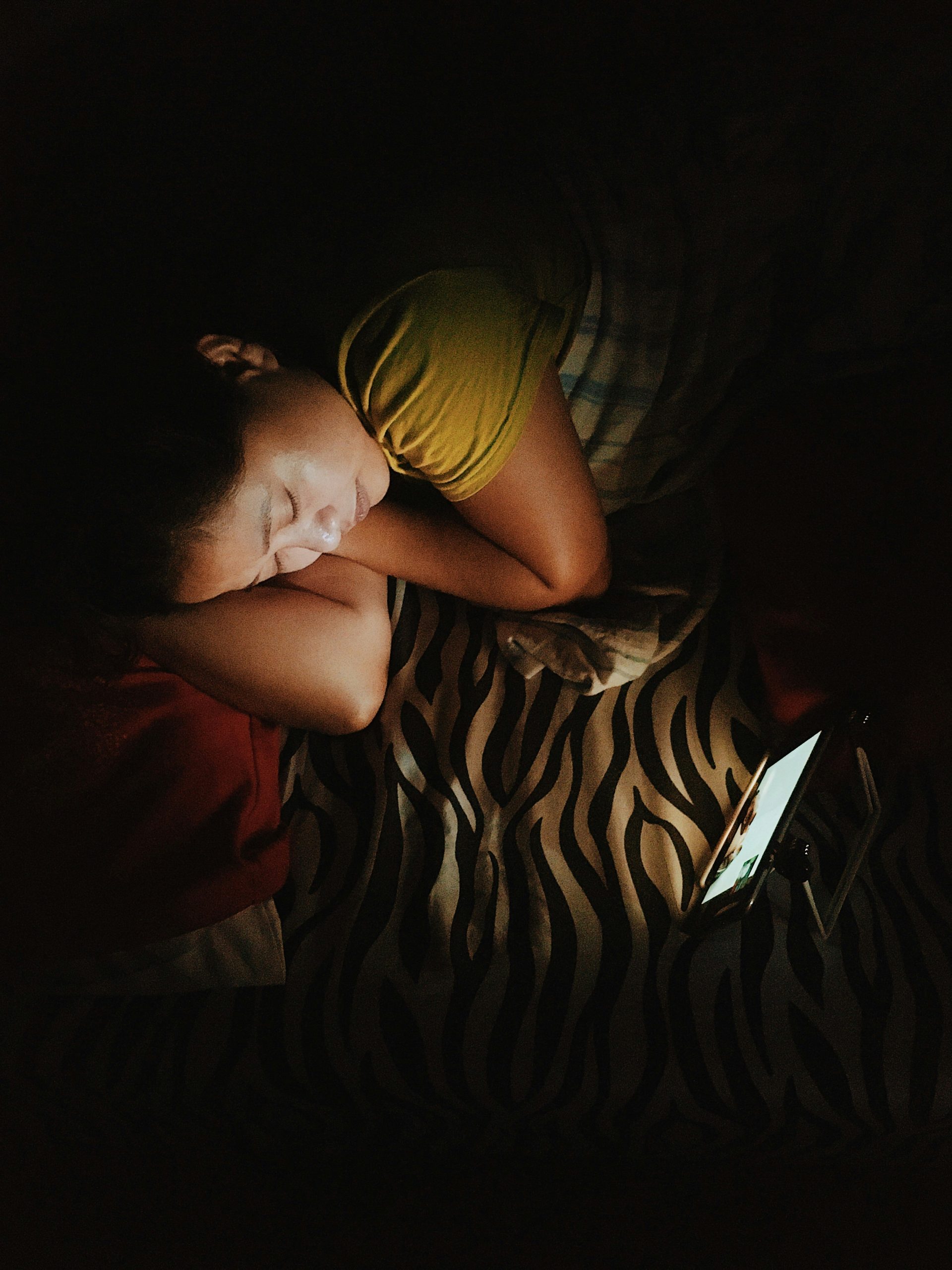
Most of us thrive on routine, so when that goes out of the window – Christmas, holidays, illness – it can be hard to get back on track. And did you know stress, screens and lack of rest are linked and that coaching can help reset the balance?
If you’ve ever found yourself saying “Put your phone away and go to sleep,” only to hear “Just five more minutes” (again), you’re not alone. For many families, bedtime is a battleground – and it’s more than just about tiredness.
Lack of quality sleep is now one of the most overlooked but powerful factors affecting teen mental health. And when stress levels are high, screen use is constant and routines have slipped, it can be hard to know where to begin.
Let’s look at why sleep matters so much – and what you can do to support better rest for your young person (and peace of mind for you).
The link between sleep and teen mental health
Sleep isn’t just about rest – it’s about regulation.
Young people who consistently get less than 8 hours of sleep are more likely to experience:
- Higher levels of anxiety and irritability
- Trouble focusing or retaining information
- Poorer emotional regulation
- Low mood or symptoms of depression
And it’s not just about how much sleep – it’s also about how good it is. Interrupted or delayed sleep (especially when caused by scrolling or stress) can leave teens feeling mentally and emotionally drained, even after 9 hours in bed.
Sleep anxiety is real – and rising
For some teens, the anxiety starts before their head even hits the pillow. They might:
- Struggle with racing thoughts at night
- Feel pressure to fall asleep quickly
- Worry about school, friendships, or fitting in
- Dread waking up tired (again)
This “performance pressure” around sleep often leads to a cycle:
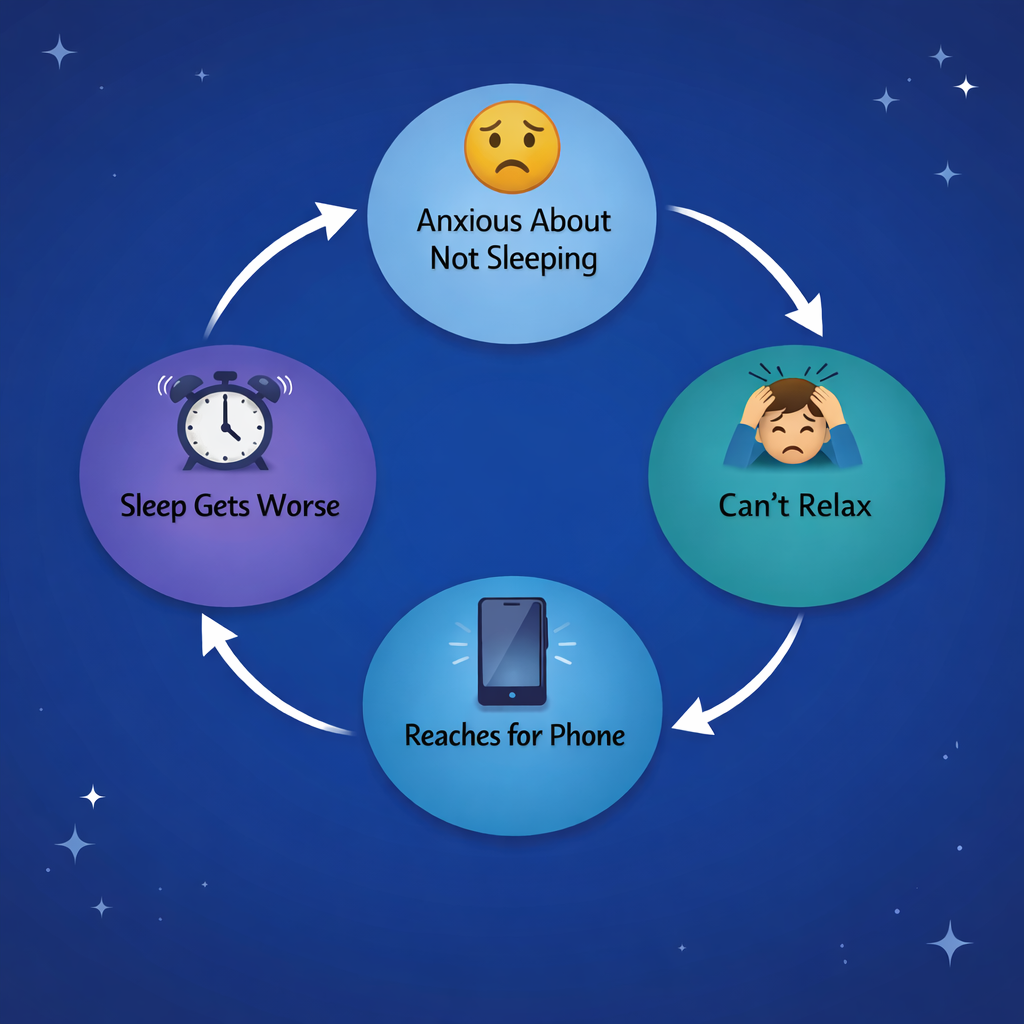
The screen time factor
Blue light from screens gets a lot of the blame. It does affect melatonin (the sleep hormone) but it’s not just the light that’s the problem. It’s also:
- Constant stimulation
- Doomscrolling or social comparison
- Gaming or chatting when they should be winding down
- The fear of missing out (FOMO) if they log off early
When screen time replaces downtime, the brain doesn't get the signal that it's time to shift gears and rest. Over time, the body forgets how to wind down naturally.
So what can you do?
The good news is that small changes can make a big difference. Your young person may resist at first, but with calm consistency, boundaries around sleep can be reset.
Here are some gentle routines that can help:
Where coaching helps
Sometimes, boundaries feel impossible to maintain. Emotions run high. Conversations get shut down. And the whole cycle feels stuck.
This is where youth coaching makes a real difference.
Through 1:1 sessions, teens learn how to:
- Understand what’s really keeping them up at night
- Build simple routines they’ll actually want to stick to
- Manage stress, screen use and emotional overwhelm
- Reconnect with confidence and clarity, day and night
Coaching also helps parents step out of power struggles and instead support their young person with calm, consistent encouragement.
If this sounds like your household, you’re not failing. You’re noticing, and that’s the first step towards change.
It’s not just about sleep – it’s about safety
For your young person, sleep is about more than closing their eyes. It’s about whether they feel safe enough to switch off. By creating a calmer evening rhythm and addressing what’s really keeping them up, you’re helping build resilience – not just rest.
And if you’d like support in doing that, I’m here. Book a free discovery call today: https://amlifecoaching.co.uk/contact