
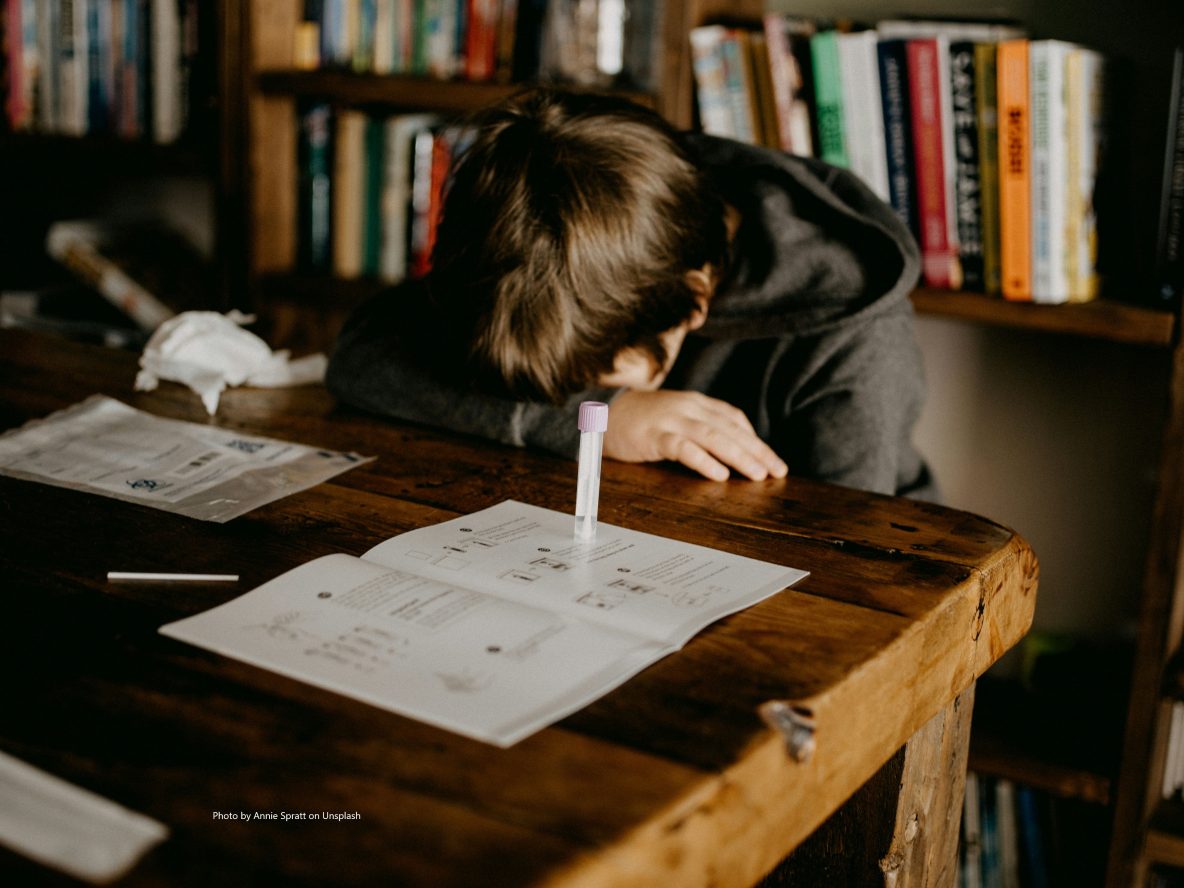
Pressure is external – it comes from exams, expectations, deadlines, and the sense that everything is riding on a result. Stress is what happens internally when that pressure feels unmanageable. A certain amount of pressure can actually be a good thing; it can motivate, focus and drive performance. But when it tips over into stress, it can have the opposite effect – clouding thinking, disrupting sleep and chipping away at confidence.
Research suggests that over a third of students report high stress levels during exams, with fear of failure being one of the key drivers. Academic stress has been shown to impair working memory, attention and problem-solving – the very skills students need most when sitting an exam.
One of the most important things parents can do is be aware – not just of what their child says, but to how they’re behaving. Some young people cope well; others mask. A teen who insists they’re “fine” may be anything but. Changes in sleep, appetite, irritability, withdrawal, or a sudden drop in motivation can all be signs that stress is building beneath the surface.
Ask questions – but keep them gentle and open. “How are you feeling about it all?” lands very differently to “Have you done your revision?” The goal is connection, not interrogation.
When it comes to helping with revision, the most effective approach is a collaborative one. Rather than telling your child what to do, plant ideas as theirs. Instead of “you need to make a timetable,” try “I wonder if having a rough plan might take some of the pressure off – what do you think?” It’s a small shift in language, but it makes a big difference to whether your teen feels supported or lectured.
Practically speaking, a few things that genuinely help:
Revision timetabling – even a loose one reduces the overwhelm of not knowing where to start
Checking notes, using flashcards, or testing each other can make revision feel less lonely and more engaging
Breaks are not a reward – they’re essential. Encourage your child to step away from their desk, change scene and have a proper screen break. Even 20 minutes outside can reset focus and improve retention
One of the most damaging things about exam season is the noise from peer groups. “She’s doing eight hours a day.” “He doesn’t even revise and he’ll still get As.” Help your child tune that out. What works for their friend doesn’t necessarily work for them – even within the same friendship group, everyone has a different learning style.
Some teens need visual notes and mind maps; others prefer listening back to recorded explanations; others swear by flashcards. All are valid. The best revision method is the one your child will actually do.
If your teen is struggling to know where to start, encourage them to “swallow the frog” – tackle the hardest or least favourite subject first. It removes the dread, and everything that follows feels more manageable. Our brains can play tricks on us and like to make mountains out of molehills. When we tackle those ‘awful’ things, they’re rarely as terrible as we anticipated.
Sometimes the most helpful thing a parent can do is recognise when their child needs someone outside the family to talk to – a space that’s purely theirs, without the weight of parental expectation. Youth coaching offers exactly that: a practical, forward-focused environment where young people can build confidence, develop their own strategies, and feel heard without judgement.
If you’d like to find out more about how youth coaching could support your teen through exam season and beyond, I’d love to have a conversation.